|

NENA's award-winning 9-1-1 Goes to Washington (#NENAGTW) brings you and hundreds of your fellow 9-1-1 professionals together with government leaders in our nation's capital to address today's most pressing 9-1-1 and emergency communications issues. #NENAGTW is the only event where you learn about the policy challenges facing 9-1-1 and then take immediate action to address them through dialogue with your elected and appointed officials.
This year, #NENAGTW comes at a pivotal moment in our advocacy efforts. The Senate unanimously passed its version of language reclassifying 9-1-1 telecommunicators as public-safety personnel (the Enhancing First Response Act) and the bill is now awaiting action in the House. This is a historic time to visit Washington and help NENA advance this bill through its final hurdle towards full passage in Congress.
Join NENA from February 22–25 in Washington for an unforgettable opportunity to connect with your fellow 9-1-1 professionals and champion our shared mission of saving lives through policy change and advocacy.
Click here to register, here to book your housing, and here to learn more.

Learn, Collaborate, & Contribute!
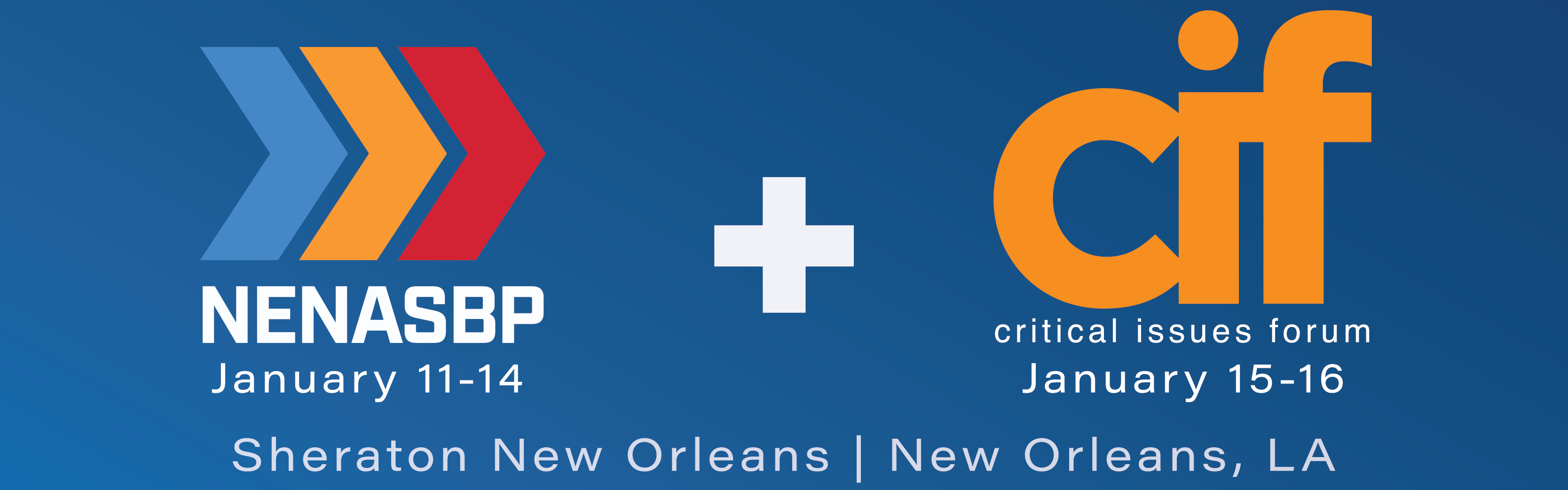
Get ready for the NENA Standards & Best Practices Conference, the one-of-a-kind event where you’re in the driver’s seat! This interactive, attendee-powered conference goes beyond learning about the latest issues and standards shaping 9-1-1 technology and best practices – it's your opportunity to actively contribute to the guidelines, resources, and documents that are transforming 9-1-1 operations, systems, and services. Register today to secure your seat at the table to help shape what’s next for 9-1-1 and push PSAPs to new heights!
With your peers from across the 9-1-1 universe, you’ll discuss and work to address the most pressing issues facing 9-1-1. No other event provides you with the opportunity to shape the future of 9-1-1 and impact public safety for decades to come! Don’t miss your chance to be part of it!
Click here to register, here to book your housing, and here to learn more.
Mapping the Future: From Chaos to Clarity in Public Safety GIS
GIS is the invisible backbone of 9-1-1, but right now it’s often used in inconsistent and uncoordinated ways. Maps and data live in separate platforms, are updated on different schedules, and don’t always align when seconds matter most. Meanwhile, advancements in technology and new regulatory and legislative activities aim to accelerate NG9-1-1 adoption, even as many agencies struggle to keep up with today’s needs. The result? Confusion about addresses, duplicate or missing records, slower technology adoption, preventable delays in response, and an urgent need to resolve these issues.
This Critical Issues Forum will give you a roadmap for achieving a more consistent and coordinated approach to GIS — one that meets today’s challenges and tomorrow’s needs. You’ll tackle real-world problems like address maintenance, CAD map accuracy, NG9-1-1 readiness, and the next frontier: indoor and 3D data. Through interactive discussions, problem-solving sessions, and peer-to-peer learning, you’ll be equipped to reduce mismatches that cause routing delays, cut the time it takes to verify caller locations, and improve the consistency of the information your teams depend on.
Click here to register, here to book your housing, and here to learn more.
|
The NENA PSAP Master Clock Standard provides a standard method of connecting an accurate time source to the various elements of a PSAP's E9-1-1 equipment that depend on time information for operation.
Members of the Working Group are to download the document and submit comments by going here and then selecting "Add a Comment" from the Edit icon drop-down menu.
All others are to download the document and submit comments by going here and then selecting "Add a Comment" from the Document Actions icon drop-down menu.
Please complete all requested data and select "Save" or, if submitting multiple comments, select "Save and Add Another."
If you are providing editorial comments, such as corrections to typos, grammatical errors, style/numbering errors, or incorrect references/links to documents, please document them under one comment and list the page and line number for each.
All comments are due by December 29, 2025. You may contact the NENA Committee Resource Management Team with any questions or concerns.
The NENA Standards for 9-1-1 Professional Education guides institutions that are developing or have developed 9-1-1 professional education programs and ensure consistency with the curriculum.
Important Notice: Based on the Public Review 2 status, this will be a 30-day comment period. Additionally, only the underlined and struck-through items are open for public comment. Items underlined are new or revised text, while a strikethrough indicates a removal of text. Content without an underline or strikethrough is included for context only.
Members of the Working Group may download the document and submit comments by going here and then selecting "Add a Comment" from the "Edit" icon drop down options.
All others are to download the document and submit comments by going here and then select "Add a Comment" from the "Document Actions" icon drop down options.
Please complete all requested data and select "Save" or, if submitting multiple comments, select "Save and Add Another."
All comments are due by December 14, 2025. You may contact the NENA Committee Resource Management Team with any questions or concerns.
Having adjudicated all comments, the NENA E9-1-1 PSAP Equipment Standards document is now considered "stable." Per NENA Development Group Operational Procedures, Section 3.3.2.6, a "Stable Form Notice" is being issued and can be viewed here.
|
NENA seeks volunteers for the NENA NG9-1-1 Data Flow Working Group to update and convert the NG9-1-1 Data Flow Standard into an information document. While the original standard focused on traditional NG9-1-1 data flows, it no longer reflects the operational reality of today’s emergency communications environment.
The current version lacks guidance on inbound text messages, images, and video streams from increasingly common sources such as public safety systems, cloud-like platforms, body-worn cameras, vehicle dash cams, and public-generated multimedia. As technology continues to evolve rapidly, this document will provide much-needed flexibility, clarity, and forward-thinking guidance for agencies integrating new data types into emergency workflows.
Ideally, working group membership will include participants with:
Meetings are to be held every 2 weeks on Fridays from 10:30AM – 11:30AM Eastern.
Click here to volunteer!
|